We train managers, leaders and executive teams in leadership skills, so they can deal in the best way they can with current and future leadership challenges.
The programs are designed to explore the following question: How can I become the best leader:
for myself and while staying true to myself,
for the people I am leading and
for the organization I am part of and contributing to?
Modern organizations deal with an increasingly complex environment. This complexity cannot be managed by traditional methods. Analytical, causal decision-making, top-down leadership, order and control are all becoming gradually replaced by a systemic, intuitive and subsidiary leadership approach. The role of the modern leader has changed and continues to change and grow with the challenges posed by this complexity.
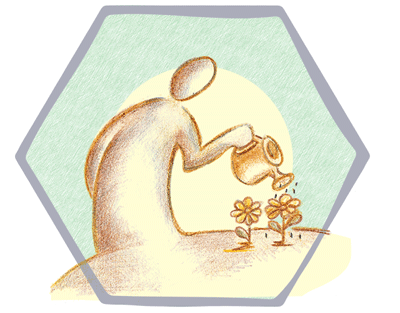
This is a programme that engages participants in an in-depth self-reflection on how to be authentic leaders and how to lead with purpose.
Through intensive practice, participants develop a moral inner compass that allows them to make the appropriate decisions in the midst of complex challenges.
Effective leaders have an intimate understanding of themselves and are aware of their own inner strengths, values, purpose and direction. Leaders who consciously cultivate self-awareness and personal mastery tend to be far more effective when facing organizational challenges, uncertainty, transitions, and even new opportunities.
Leading Self is designed to help participants deepen their personal and social awareness, while fostering effective self-leadership skills, inner resourcefulness and professional best practices.
Leading Others
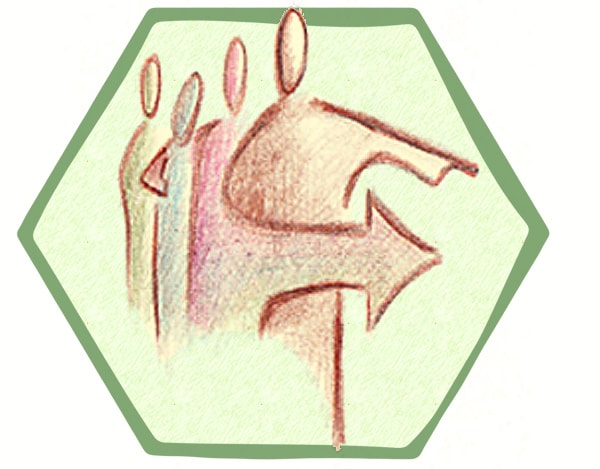
This provides a clear picture about good and bad leadership behaviour and designs a development plan to work on one’s own leadership behavior. Leaders analyze their teams and learn how to engage with them individually and collectively.
This programme focuses on the following: “How do we bring out the best leaders in ourselves when leading others?” We explore the current leadership realities, analyse the difference between management and leadership, work on appropriate and inappropriate leadership behaviours, learn about personality differences in co-workers and their correlated leadership needs. The learning journey is built around inputs from the facilitator, around individual and small group reflection, coaching and peer feedback.
Leading Change
This is about understanding the dynamics of change. Leaders learn how to prepare, plan and implement change processes and how to create buy-in for change initiatives and therefore increase their chances for success at the implementation stage.
Leading Change gives managers, project leaders and change agents the possibility to fully explore their roles and inner attitudes in situations of change. Throughout the programme, participants work on their own Change Initiatives and develop around those their understanding for the principles and dynamics of change. The focal point of this program is the human factor in change initiatives.
Experienced Leaders Programme
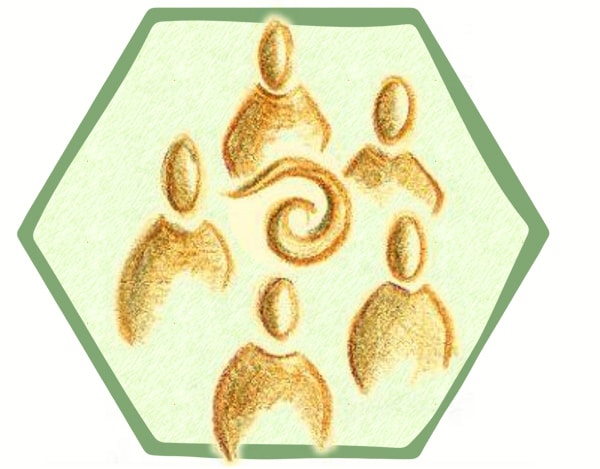
The Experienced Leaders Programme is designed to allow senior leaders to freshen up their leadership knowledge and skills while learning from each other’s leadership challenges.
Based on their own education and experience, influenced by the corporate culture, managers develop their own personal leadership styles over the years. It is easy to become frozen into a "this is the way I am" attitude; to avoid this, we want to jointly explore the roots of own understanding of leadership, identify strengths and develop areas of growth. This development process is supported by inputs from the facilitator, and by self and small group reflection, coaching and feedback from the peer group.
Leadership Hike
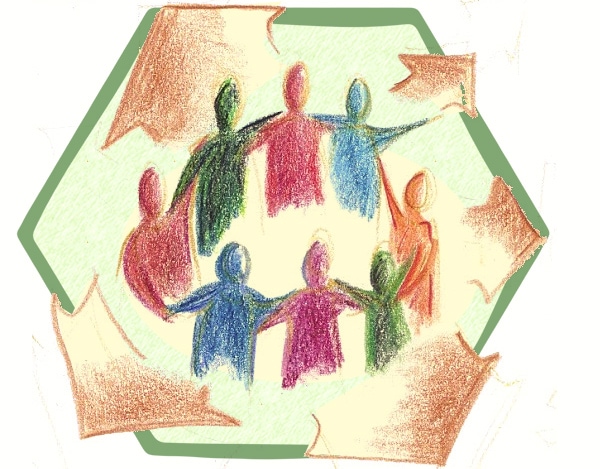
The Leadership Hike is a hybrid form of leadership teambuilding and leadership program. Going on a 3-5 days leadership hike, different team and leadership aspects are processed.
The intervention processes involved in the leadership hike are designed according to the leadership, team and organizational challenges that the leadership team is currently facing. Examples of topics to process during a leadership hike are:
Getting to know the leader inside oneself and inside others better
Removing performance barriers in the leadership team
Identifying and working out the Macro Areas of Attention that the team or organization needs to focus today in order to be successful tomorrow
Executive Team Retreat
An executive team goes on a retreat to work on its own and the organization’s:
Effectiveness
Strategic Direction
Priorities
Challenges
Dysfunctions
etc.
An Executive Team shares responsibility for an area, a department or an entire company. Usually the success of the entity they are responsible for depends on their performance and collaboration as a team. In addition to other teams, the cost of an unaligned Executive Team is simply too big for any organization to consciously afford. Therefore, inner team clarity, alignment and buying into the common approach and joint direction are crucial. An Executive Team Retreat usually lasts 2-3 days.
The intervention process of the Executive Team Retreat is designed to fit the challenges faced by the team and the organization. Examples of topics to process during an Executive Team Retreat are:
Revealing and unravelling Executive Team dysfunctions
Analysing and removing performance barriers in the Executive Team
Identifying and working out the Executive Team Macro Areas of Attention for itself and the organization
At this level, we focus on personal growth, and enable people to develop the necessary skills and attitudes to successfully deal with themselves, their situations and the challenges they face.
Here we focus on bigger organizational units or the whole organization. We work on topics such as: organizational development, alignment, culture, vision, strategy and more.
To provide the best experiences, we use technologies like cookies to store and/or access device information. Consenting to these technologies will allow us to process data such as browsing behavior or unique IDs on this site. Not consenting or withdrawing consent, may adversely affect certain features and functions.
Functional
Always active
The technical storage or access is strictly necessary for the legitimate purpose of enabling the use of a specific service explicitly requested by the subscriber or user, or for the sole purpose of carrying out the transmission of a communication over an electronic communications network.
Preferences
The technical storage or access is necessary for the legitimate purpose of storing preferences that are not requested by the subscriber or user.
Statistics
The technical storage or access that is used exclusively for statistical purposes.The technical storage or access that is used exclusively for anonymous statistical purposes. Without a subpoena, voluntary compliance on the part of your Internet Service Provider, or additional records from a third party, information stored or retrieved for this purpose alone cannot usually be used to identify you.
Marketing
The technical storage or access is required to create user profiles to send advertising, or to track the user on a website or across several websites for similar marketing purposes.


 Leading Self
 Leading Others
 Leading Change
 Experienced Leaders Programme
 Leadership Hike
 Executive Team Retreat